
النوع
Checkpoint
وقت النشر
2026-01-27
النموذج الأساسي
Z Image Base
Model Parameters
clip_skip:1
معلمات التدريب
Epochs:1
Steps:0
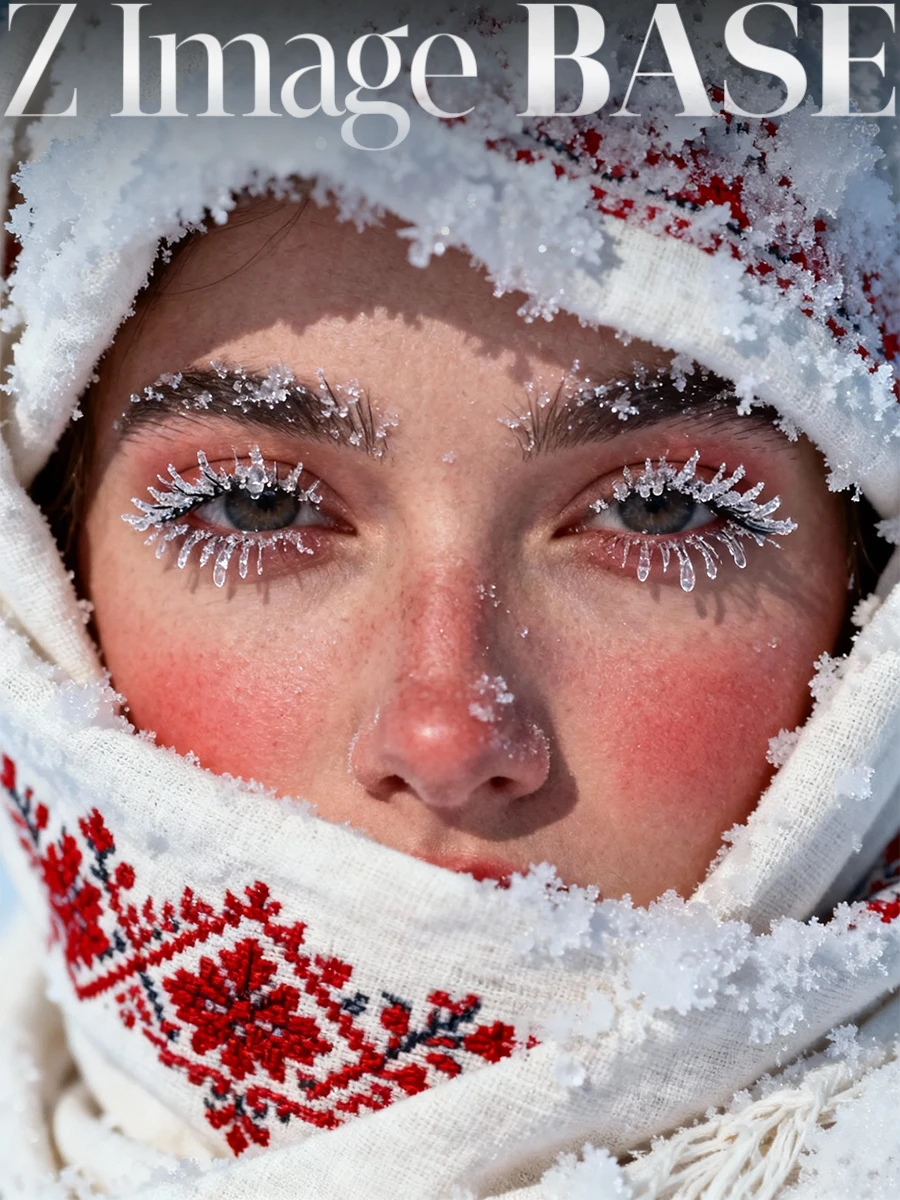
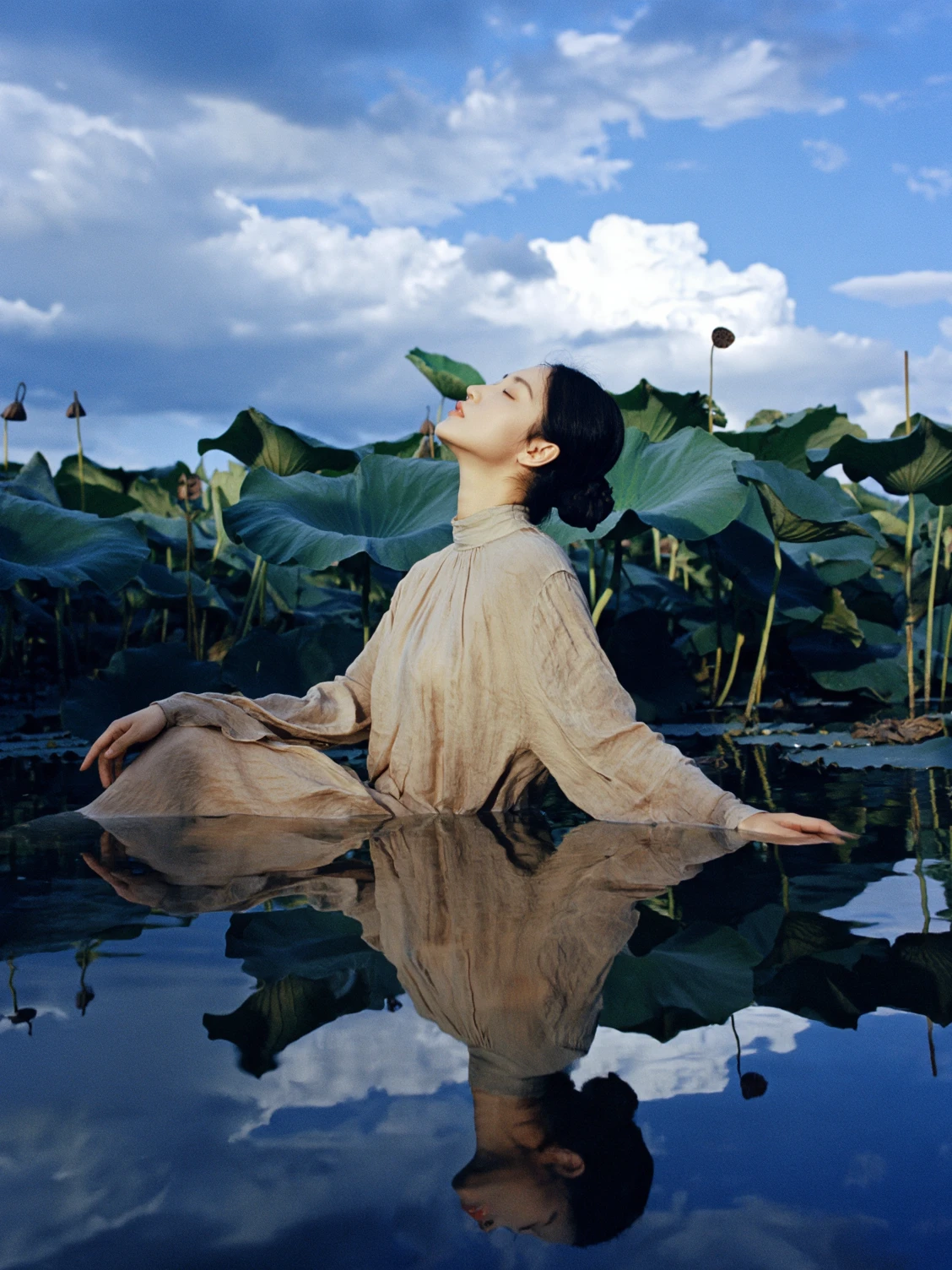
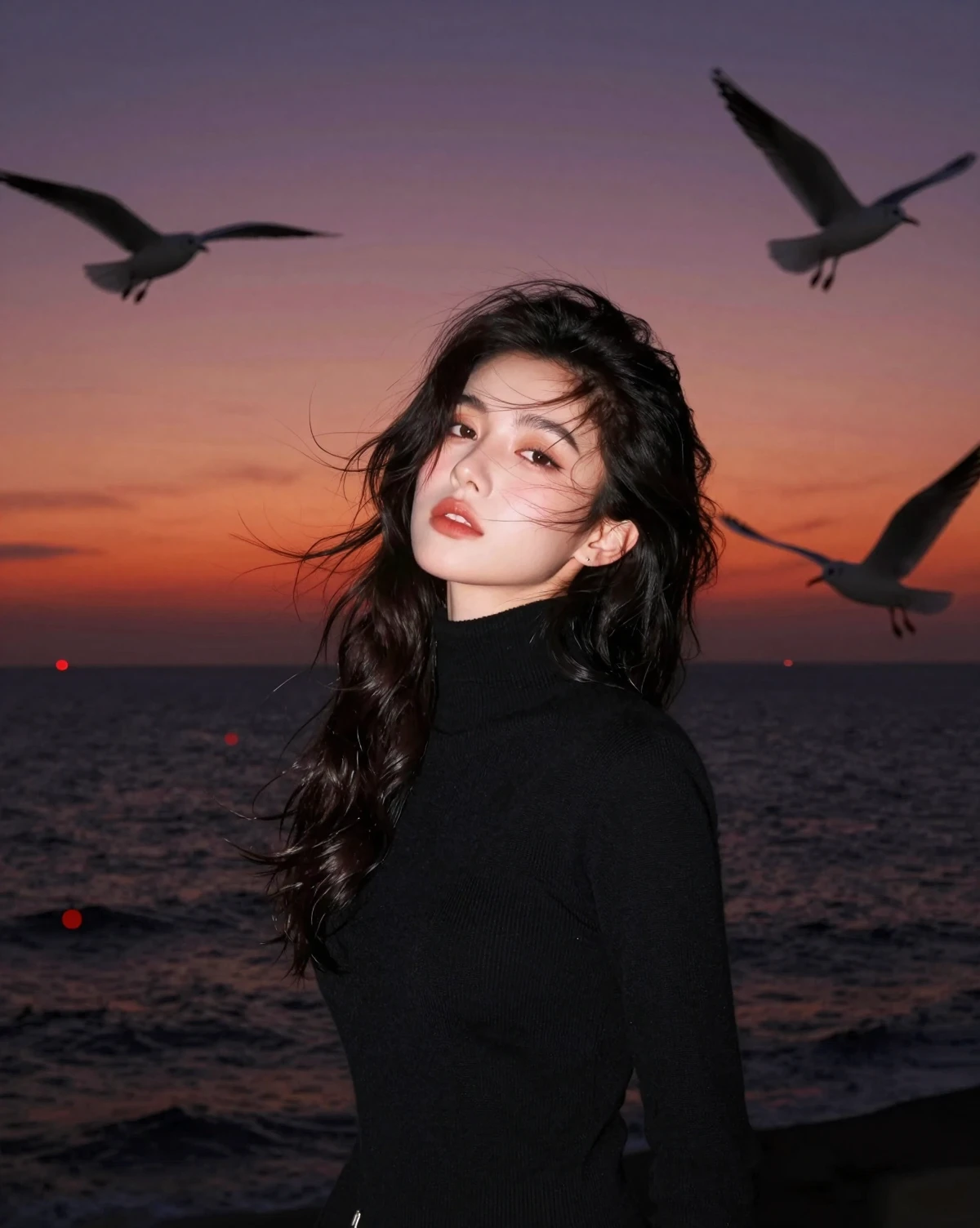
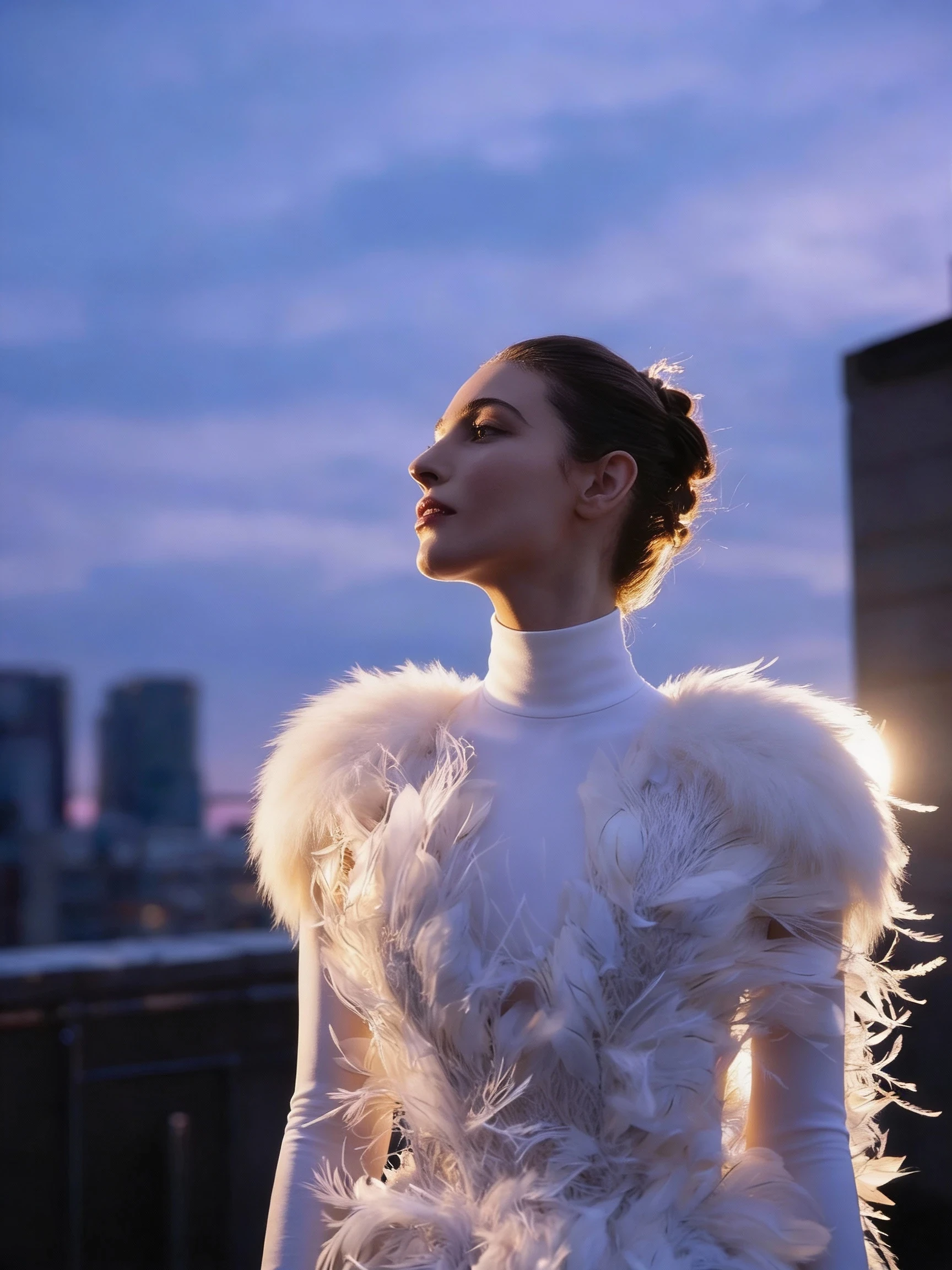
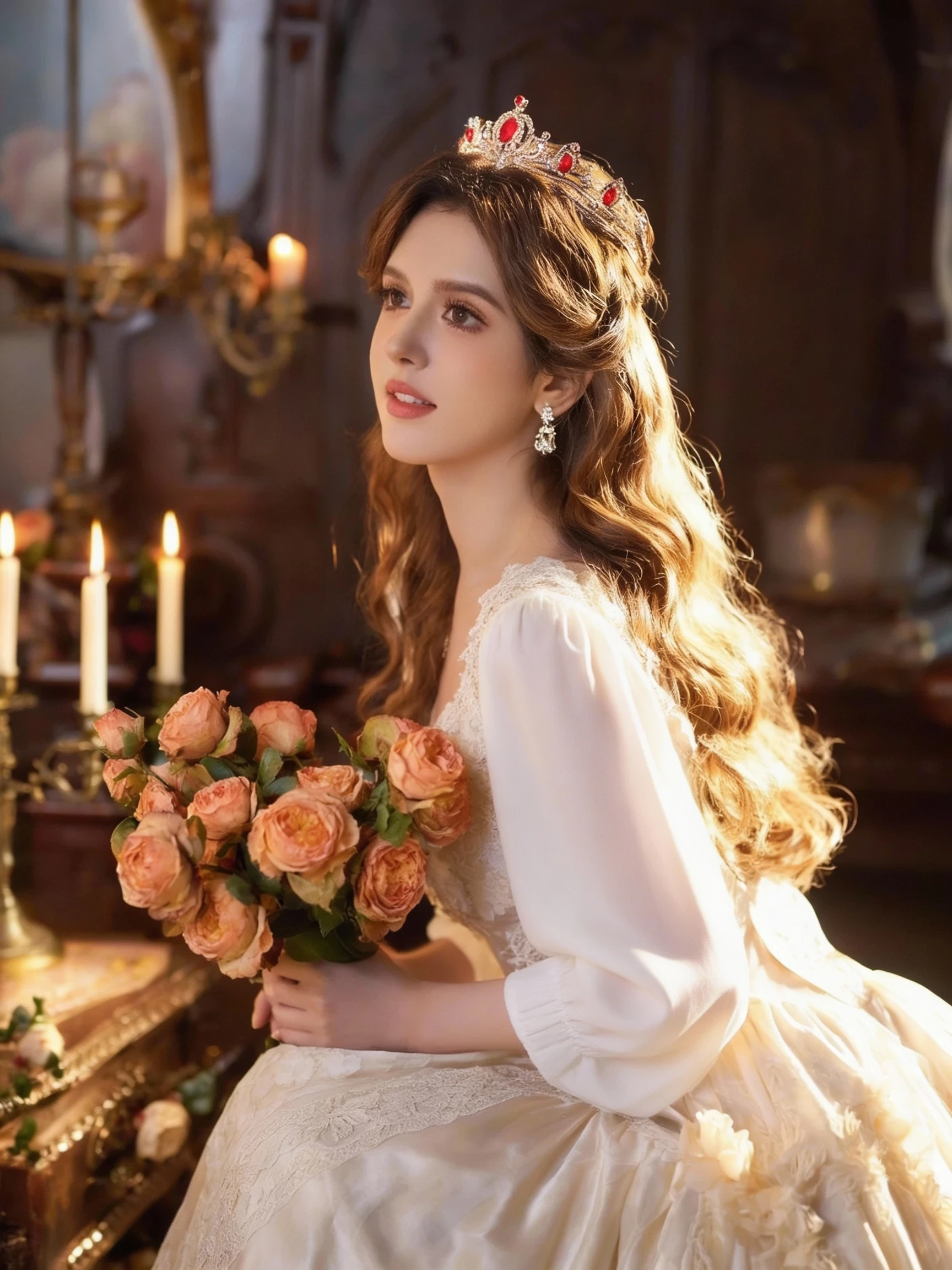
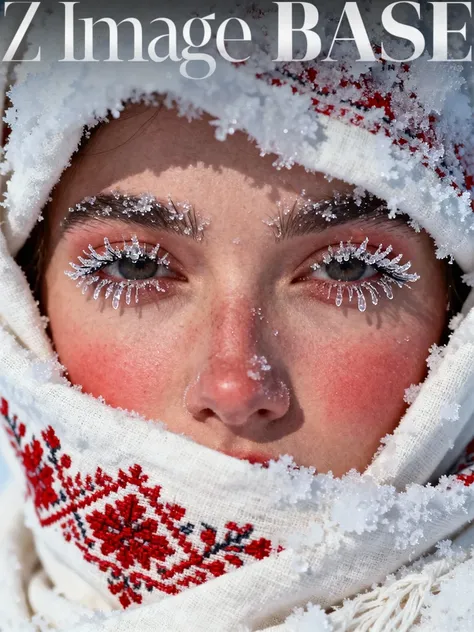
Z-Image-Base is the high-fidelity, non-distilled foundation checkpoint in the Z-Image family. It's built to prioritize maximum image quality, strong prompt understanding, and creative range over ultra-fast generation, making it a great choice when you want the best details and the most flexible "base" for experimentation and fine-tuning.
l Efficient but powerful (6B parameters): Z-Image is designed to reach top-tier results without enormous model size, lowering the barrier to high-end image generation.
l Single-Stream Diffusion Transformer (S3-DiT): Text tokens, visual semantic tokens, and VAE image tokens are concatenated into one unified stream, improving parameter efficiency and prompt-to-image alignment.
l Bilingual strength (English + Chinese): Known for strong bilingual instruction following and text rendering.
l Open and creator-friendly: Released under the Apache 2.0 license.
l Maximum quality generations (photoreal portraits, cinematic scenes, product-style renders, poster-like layouts)
l More diverse outputs and richer high-frequency details (great when you don't want everything to look "samey")
l Fine-tuning / LoRA training as a "true base" checkpoint for custom styles and workflows
For the non-Turbo (base-style) workflow, the project guidance typically points to higher step counts for best fidelity. A good starting range is 28–50 steps, with CFG around 3–5, and using negative prompts for tighter control.
l Be specific about subject + environment + lighting + lens/composition + mood.
l For typography, call out language, font vibe, layout, and placement (it's one of Z-Image's strong areas).
l Add negatives like: blurry, low-res, extra fingers, bad , distorted text to reduce common artifacts.
Try Z-Image-Base on SeaArt AI when you want the "full-quality" Z-Image experience: more detail, stronger adherence, and the most flexible foundation for creators who like to push prompts (or train their own styles).