20+ Nano Banana 2 Ready-to-Use Prompts
Something I said last month turned out to be wrong. I told a designer friend that AI image generators still couldn't be trusted for actual client work. Too inconsistent, too many extra fingers, too much babysitting. Then I watched Nano Banana 2 produce a campaign-ready product shot from a 30-word prompt in under 5 seconds. I stopped talking.
Google's Nano Banana 2, technically Gemini 3.1 Flash Image, launched on February 26, 2026. The "Nano Banana" name stuck because the original model debuted anonymously on LMArena in August 2025 and immediately topped every crowdsourced ranking before Google admitted it was theirs. The sequel is faster, smarter about following complex instructions, and handles character consistency in ways that make multi-image projects actually practical.

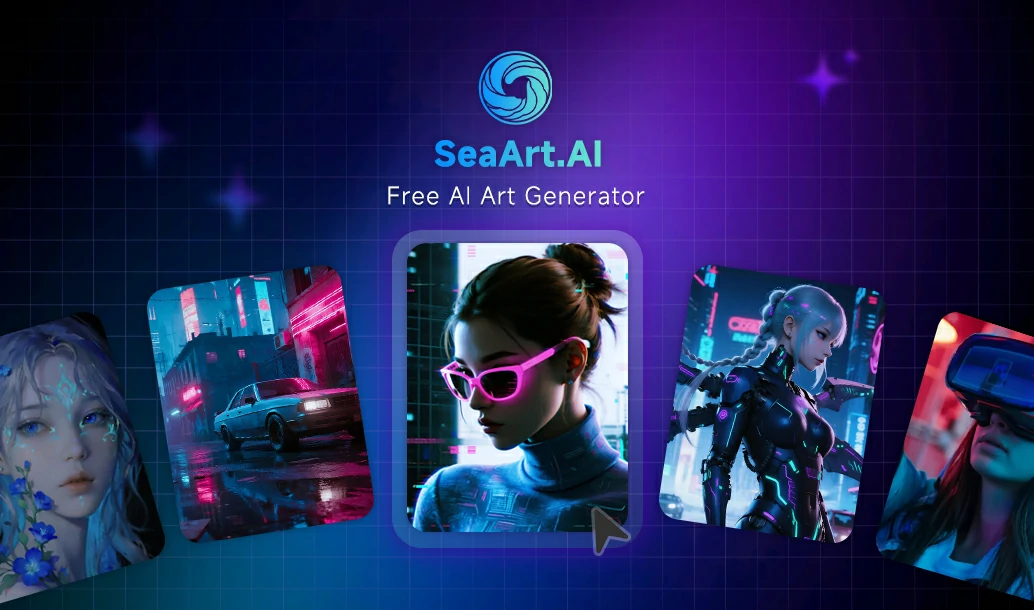
Below you'll find how to write prompts that work - 20+ examples across 8 categories, all tested on SeaArt AI. The guide covers reference-image workflows and multilingual text generation that most guides skip entirely, plus a breakdown of the formula behind them and an honest look at what the model still struggles with.
TL;DR
Nano Banana 2 (Gemini 3.1 Flash Image) generates at Flash speed, supporting resolutions up to 4K. Use a 7-part prompt structure: Subject + Action + Environment + Camera + Lighting + Style + Exclusions. Character consistency works across up to 5 characters and 14 objects. Reference-image prompting (@img1) lets you anchor a face, outfit, or product from an uploaded photo and place it in entirely new scenes. Multilingual in-image text works in multiple languages. Biggest weakness: hand accuracy in complex poses, ultra-dense typography, and physically precise fluid simulations still favor Nano Banana Pro.
The Nano Banana 2 AI image generator has been widely adopted since launching in late February 2026 - the creator community picked it up fast.
Why Most Nano Banana 2 Prompts Underperform
Most people write prompts the same way they write Google search queries. "professional headshot woman office." The model produces something. It's fine. It's also completely generic.
Nano Banana 2 was explicitly built for complex, multi-layered instructions. According to Google's February 2026 release documentation, the model uses a reasoning layer from Gemini 3.1 to parse spatial relationships, lighting logic, and compositional intent before generating. Short prompts bypass that reasoning almost entirely.
The gap between a weak prompt and a strong one isn't about length. A 200-word prompt can still be vague. The key is structural specificity: telling the model exactly what to render, how to render it, and what to avoid. That's where the 7-part formula comes in.
The 7-Part Prompt Formula
Every strong Nano Banana 2 prompt covers these elements. You don't need all seven every time. But the more layers you include, the more control you have over the output. Once you have a formula you like, the AI image generator free online on SeaArt makes iteration fast - the interface accepts long, structured prompts without truncating them.
1. Subject - Who or what is the focus? Be specific. Not "a woman" but "a woman in her 40s with close-cropped natural hair."
2. Action or State - What is the subject doing or how are they positioned? "Seated at a drafting table, mid-sketch" beats "sitting."
3. Environment - Where does the scene happen? Include real-world details: "sunlit industrial loft with exposed brick" not "a nice room."
4. Camera and Composition - Lens length, angle, depth of field. "85mm, f/1.8, eye-level, subject fills two-thirds of the frame."
5. Lighting and Mood - Light source, direction, and emotional register. "Late afternoon light from the left window, long soft shadows, contemplative."
6. Style - Photographic, illustrative, cinematic, film stock. "Fujifilm Superia 400" and "35mm analog grain" produce very different results than "editorial photography."
7. Exclusions - What to avoid. "Avoid: blurry, oversaturated, extra fingers, symmetrical composition, stock-photo feel."
Treat exclusions seriously. A well-placed "avoid" list eliminates the most common AI image problems before they happen. It's faster than regenerating.
20 Nano Banana 2 Prompts by Category
Category 1: Portrait and Headshot
Portrait work is where Nano Banana 2's instruction-following shows most clearly. Tell it about the lighting setup the way you'd brief a photographer. You can also upload a reference photo and use @img1 in your prompt - the model reads the subject's face, skin tone, and features directly from the image, so you don't need to describe them in text.
Prompt 1 - Corporate Portrait
Professional headshot of a South Asian man, late 30s, confident but approachable expression, modern glass-and-steel office background out of focus. 85mm lens, f/2.2, natural window light from the left, slight catch light in eyes. Corporate photography style, crisp and clean. Avoid: harsh shadows, stiff pose, over-retouched skin.

Prompt 2 - Cinematic Close-Up
Extreme close-up, looking slightly off-camera to the left. A single tear moves down her right cheek. Ambient light refracts inside the droplet, creating tiny distorted color highlights. Shot on Canon EOS R5, 135mm f/1.8, background dissolved into warm circular bokeh. Film grain visible.

Prompt 3 - Double Exposure Conceptual
Double-exposure portrait: a young woman's face, eyes closed, overlaid with a foggy pine forest at dawn with light filtering through the canopy as if the forest grows from her mind. Lower face remains solid and clear. Nikon Z9, 50mm. Black and white with a faint green tint only in the forest layer. No text, no props.

Category 2: Product Photography
Product shots are one of the best commercial use cases for Nano Banana 2. Specify surface, lighting direction, and the exact commercial feel you want. The model handles material rendering well - leather grain, glass refraction, matte finishes.
Prompt 4 - Luxury Skincare
Hero product shot of a frosted glass serum bottle on cool white marble. Soft diffused studio light from upper-left, faint reflection on marble surface. Single dried eucalyptus sprig laid beside the bottle. Clean negative space on the right for overlay text. 4K output. Commercial skincare photography. Avoid: busy background, props that distract, overly warm color grading.

Prompt 5 - Coffee Packaging Lifestyle
Premium coffee bag labeled "Morning Ritual" on a worn oak kitchen table. Steam rises from a poured cup beside it. Natural morning light from a window at frame left, warm earthy palette. Lifestyle product photography feel, not studio. 4K, 9:16 aspect ratio.

Prompt 6 - Streetwear Sneaker
Limited-edition white and black sneaker placed on a raw concrete pedestal in a graffiti-marked urban alley at dusk. Shoe in sharp focus, alley background fades into soft bokeh. Off-camera neon sign casts a warm edge glow on the right side of the shoe. Sony A7R V, 85mm f/1.4. No CGI feel, no studio setup. 9:16. Avoid: clean background, artificial light, overexposed highlights.

Category 3: Scene and Environment
For landscapes and atmospheric scenes, mood and time of day matter as much as the physical description. The same mountain looks completely different at noon versus dusk. Specify both.
Prompt 7 - Misty Highland Aerial
Aerial view looking down into a mist-wrapped Scottish highland valley. Rolling emerald hills, dark winding river, steep mountain peaks half-hidden in low cloud. High camera elevation, looking down at a slight angle. Palette: deep greens, slate-blue water, silver-white sky. Overcast diffusion, no harsh shadows. A single-track road disappears into the far distance. Untamed, vast. Avoid: blue sky, saturated colors, human figures.

Prompt 8 - Independent Bookshop Interior
Warm bookshop interior, golden late-afternoon light streaming through dusty arched windows. Floor-to-ceiling wooden shelves packed with books, a striped tabby cat napping on the worn wooden counter. Rolling ladder leaning against shelves. Reading chairs tucked into corners. Dust motes visible in the light beams. Cinematic, photorealistic, nostalgic. Wide-angle, eye-level shot.

Prompt 9 - Bioluminescent Bay at Night
Long-exposure photograph of a bioluminescent coastal bay. Water glows soft blue-green where it moves. Milky Way arcs overhead with a faint reflection on the still water surface. Silhouetted mangrove trees on the left edge. Sony A7S III, 24mm f/1.8, ISO 12800, 25-second exposure. Scientifically accurate glow, magical atmosphere. Avoid: artificial light sources, oversaturated blue, people or boats.

Category 4: Text-in-Image and Infographics
Text rendering was historically the worst part of AI image models. Nano Banana 2 is genuinely good at it now. That said, the more text you include, the higher the chance of errors. Keep text elements focused - one to three strings per image works reliably. Dense multi-paragraph layouts still produce occasional glitches.
Prompt 10 - Event Poster
Bold typographic event poster for a jazz night called "The Blue Hour." Date: Friday April 18. Venue: The Mirror Lounge. Design style: mid-century modern jazz poster, hand-lettered feel, warm navy and gold palette on off-white. Saxophone silhouette illustration, centered composition, strong hierarchy from title to date to venue. Print-ready. Avoid: modern flat design, busy background, illegible text.

Prompt 11 - Weather Infographic
Clean weekend weather infographic for a ski resort in Lake Tahoe, California. Saturday forecast: 28°F, 6 inches snowfall, wind 12 mph. Sunday forecast: 34°F, 3 inches snowfall, wind 8 mph. Small disclaimer text at the bottom: "Forecasts updated hourly." Clean sans-serif typography, icons for snow and wind, white and powder blue color scheme. Readable at mobile resolution.

Prompt 12 - Magazine Cover with Headline
High-fashion magazine cover for "DRIFT." Female model in a structured black trenchcoat, photographed in wind and rain from a dramatic low angle. Masthead "DRIFT" in bold condensed white sans-serif at the top. Below: "THE STORM ISSUE" in clean caps. Left sidebar: "Berlin After Dark - 12 Pages" and "Why Minimalism Won." Bottom right: "March 2026" and barcode. Scandinavian minimal design. Avoid: warm lighting, colorful palette, busy typography.

Category 5: Character Consistency Across Multiple Panels
Character consistency is where Nano Banana 2 genuinely pulls ahead of most competitors. Maintaining one character reliably is common now. Maintaining three across six panels with emotional variation is not. Google's own data says the model tracks up to 5 characters and 14 objects within a single workflow.
Prompt 13 - Six-Panel Story
Illustrated six-panel story about a small robot chef attempting to bake a birthday cake for the first time. Keep the robot's design, color scheme, and expression range identical across all 6 panels. Vary camera angles and expressions: Panel 1: discovers recipe book, eager and optimistic. Panel 2: accidentally dumps too much flour - a cloud of white chaos fills the kitchen. Panel 3: batter overflows the mixing bowl, arms coated in dough, completely baffled. Panel 4: opens the oven to find a collapsed cake, head in hands. Panel 5: starts over, slower this time, focused. Panel 6: perfect cake on the counter, arms raised, pure pride. Warm children's book illustration style, soft rounded shapes, pastel palette.

Prompt 14 - Travel Series with Consistent Character
Four 35mm-style travel photographs of the same elderly golden retriever, appearance consistent across all images. Image 1: At a Marrakech street market, wearing a small beige bucket hat, nose close to a display of saffron and dried spices. Image 2: On a ferry crossing the Aegean Sea, ears blown back by the wind, hat strap tight under the chin. Image 3: Inside a quiet Edinburgh bookshop, reading glasses on, hat resting on the open book beside him. Image 4: At a Taipei night market food stall, wide excited eyes, hat pushed slightly back. Consistent character, casual film-photo aesthetic, light grain.

Category 6: Multilingual Text in Images
Nano Banana 2 supports text rendering in multiple languages and can translate existing text within an image through a follow-up prompt. This two-step workflow - generate first, then localize - is one of the model's genuinely rare capabilities. No other Flash-tier image model handles in-image translation this reliably.
Prompt 15 - Localized Menu
A hand-painted wooden menu board leaning against a stone wall outside a small trattoria in southern Italy. Chalkboard-style lettering reads: "Today's special: Pasta al Limone. Fresh catch of the day. €14." Small illustrations of a lemon slice and a pasta fork frame the text. Warm late-afternoon light, cobblestones visible at the base. Photorealistic, unhurried, inviting. Once generated - follow-up prompt: "Translate all text on this menu board into Japanese, keeping the same chalkboard lettering style and board layout exactly."

The localization follow-up works best when the original text is clearly legible and not stylized beyond readability. Decorative scripts with extreme flourishes sometimes confuse the model when it tries to preserve style while swapping languages. Clean serif or sans-serif lettering localizes nearly every time.
Category 7: Image Editing and Transformation
Nano Banana 2 started as an image editor. The conversational editing capability - where you upload an image and give natural language commands - remains one of its most practical features. These prompts assume you're working from a reference image.
Prompt 16 - Background Swap
Replace the background with a photorealistic urban sunset skyline at golden hour. City buildings softly out of focus (f/4 equivalent). Sky: warm amber fading to deep magenta. Maintain the subject's original shadows and ensure the ambient light color interacts naturally with their skin and clothing. Preserve subject identity, expression, and clothing exactly.

Prompt 17 - Cinematic Color Grade
Apply professional teal-and-orange cinematic color grading to this outdoor portrait. Increase contrast, push warm highlights on skin and lit surfaces, shift shadows toward deep teal-blue, slightly reduce midtone saturation. Result should feel like a studio-grade film color grade. Do not alter composition, crop, or subjects.

Prompt 18 - Style Transfer
Convert this photo to a 1970s analog film aesthetic. Add warm golden color cast, visible film grain, slightly overexposed highlights, mild vignette at the edges. Keep the same composition and subjects. The result should look like a genuine found photograph from a 1970s family album, not a filtered modern photo.

Bonus: Three Quick-Win Prompts for Social Content
Prompt 19 - Instagram-Ready Flat Lay
Editorial flat lay on white marble: a MacBook, a ceramic mug with steam, three paperback books stacked at an angle, a small succulent, and a loose handwritten note. Overhead shot, soft natural light from the top-left. Minimal, aspirational, calm productivity aesthetic. Avoid: bright colors, multiple dominant focal points, cluttered composition.

Prompt 20 - LinkedIn-Ready Professional Scene
Wide-angle shot of a modern co-working space in the late afternoon. Several people working at desks in the background, slightly out of focus. Large windows with golden light. Empty foreground desk with a laptop and a coffee cup. Clean, professional, inspiring. No specific faces visible.

Prompt 21 - TikTok Thumbnail
High-energy TikTok-style thumbnail. Reference person on the left, expression of genuine surprised excitement, mouth open, pointing right. On the right: an enormous stack of golden pancakes dripping maple syrup. Bold yellow arrow pointing from the hand to the pancakes. Pop-style text: "5 MINUTES!" in white letters with a thick black outline and red drop shadow. Background: blurred bright kitchen, high saturation.

Nano Banana 2 vs. Other AI Image Models
Honest answer: the right model depends on the job. Nano Banana 2 is the best general-purpose choice available right now. That's different from saying it wins every category.
| Model | Speed | Max Resolution | Text Rendering | Character Consistency | Best For |
|---|---|---|---|---|---|
| Nano Banana 2 | ~3-5 sec | 4K | Accurate; minor errors with dense layouts | 5 characters, 14 objects | Speed + quality balance, social, product photography, editing |
| Nano Banana Pro | 10-30 sec | 4K | Superior, especially multilingual | 5 characters, higher fidelity | Physics simulations, complex infographics, premium commercial |
| GPT Image 1.5 | 20-120 sec | 768 x 2,000 px | Industry-leading | Moderate - drifts across edits | Text-heavy visuals, posters, illustrated concepts |
| Flux 2 | 5-8 sec | Up to 4 MP | Good | Good with multi-reference | Stylized compositions, granular creative control |
| Midjourney v7 | ~22 sec | High (proprietary) | Weak | Good via Omni Reference | High-end artistic and editorial aesthetics |
| Ideogram 3.0 | Moderate | High | Near-perfect | Limited | Logo design, typography-centered work |
My recommendation: use Nano Banana 2 as your default for iteration and volume. When a project demands maximum text accuracy or photorealistic physics (water, glass, fabric dynamics), switch to Nano Banana Pro or Ideogram depending on whether the bottleneck is fidelity or typography. For a detailed look at real-world performance data and generation quality across resolutions, the Nano Banana 2 review breaks it down with benchmark tests.
What Nano Banana 2 Still Doesn't Do Well
Dense data charts and tables. Asking for a multi-row comparison table inside an image still produces inconsistent text alignment. The labels show up, the layout doesn't always hold. For data-heavy infographics, Nano Banana Pro handles this better, or design the chart separately and use NB2 for the visual framing.
Complex fluid physics. Water behavior - splashes, caustics, realistic glass refraction at extreme close range - works "good enough" but falls short of Pro-tier reasoning. If the physics matter to the client, use the Pro model.
Hand and finger accuracy. AI hand generation is an industry-wide problem, and Nano Banana 2 is better than most but not immune. Overlapping fingers, gripped objects, and unusual hand poses still produce errors. Practical fix: add "avoid: close-up of hands, prominent hand positioning" to any prompt where hands appear at scale. Framing the shot so hands stay in the midground rather than foreground helps significantly.
Subtle facial expression. This is an industry-wide problem, not specific to Nano Banana 2. Generated faces tend to land on a narrow range of expressions - pleasant, neutral, generically confident. The kind of micro-expression that makes a real portrait feel alive - a slight tension around the eyes, an almost-smile, genuine tiredness - is hard to prompt for and rarely comes out right. If emotional nuance matters for the image, plan to iterate, or use a reference photo to anchor the expression rather than describing it in text.
None of these limitations matter for most use cases. For social content, product photos, portraits, and scene generation, Nano Banana 2 is exactly what you need.
Does Nano Banana 2 Search the Internet Before It Generates?
Yes - and this is one of the least-talked-about advantages. Nano Banana 2 is grounded in Google Search, which means when you reference a real-world subject - a specific car model, a consumer product, a known landmark - the model can pull visual reference data from search before generating. The result is fewer hallucinations on factual subjects. Ask for a specific camera body or a real aircraft cockpit interior and you're more likely to get the actual thing rather than a plausible-looking invention. For journalists, educators, and anyone building visual content that needs to reflect reality rather than invent it, that grounding matters in a way it simply doesn't for most Flash-tier models.
Can You Use Midjourney or DALL-E Prompts with Nano Banana 2?
Most transfer well, with one adjustment: don't simplify them. Nano Banana 2 was built to follow longer, more layered instructions than most competing models, so a Midjourney prompt that works at 12 words often improves when you expand it with camera angle, lighting direction, and an exclusion list. Prompts from DALL-E or Stable Diffusion transfer with minimal changes. What sets this model apart is that it parses spatial relationships and lighting logic before generating - so the more structural information you give it, the more precisely it executes. Short prompts bypass that reasoning almost entirely.
Conclusion
These prompts are starting points, not finished outputs. At Flash speed, every extra iteration costs almost nothing. Try the formula, change one variable at a time, and watch what the exclusion list actually does to the result. That's the fastest way to find what works for your specific use case.
All the prompts above run directly in SeaArt's Nano Banana 2 generator - no setup, no API keys. Pick one, paste it, and adjust from there.