Wan 2.6 vs Kling 2.6 vs Kling O1: Complete Comparison
The AI video generation market is exploding. Over 40% of content creators are now using AI tools to produce video content, and three models are dominating conversations: Wan 2.6, Kling 2.6, and Kling O1. I've spent weeks testing all three, and here's what actually matters for content creators. If you're exploring AI video tools, check out SeaArt AI for a comprehensive platform that supports multiple video generation models.
If you're choosing between these tools, you need clear answers: Which one delivers the best quality? Which fits your workflow? Which gives you the most value? This comparison breaks down every feature, pricing detail, and use case so you can make the right choice.

Before diving deep, here's the at-a-glance breakdown:
| Feature | Wan 2.6 | Kling 2.6 | Kling O1 |
| Max Duration | 15 seconds | 5 or 10 seconds | 5 or 10 seconds |
| Resolution | 480P/720P/1080P | Up to 1080P | Up to 1080P |
| Multi-Shot Storytelling | ✅ Yes (Smart split) | ❌ No | ❌ No |
| Reference Video Generation | ✅ Yes (Up to 2 videos) | ⚠️ Limited | ❌ No |
| Audio-Visual Sync | ✅ Native (Lip-sync) | ⚠️ Basic | ⚠️ Basic |
| Voice Cloning | ✅ Yes | ❌ No | ❌ No |
| API Support | ✅ Full API | ✅ Full API | ⚠️ Limited |
| Best For | Professional creators, multi-shot narratives | Quick content, social media | Short clips, testing |
Part 1: Wan 2.6 vs Kling 2.6 - Detailed Comparison
Both Wan AI and Kling AI target professional AI video creators, but they take different approaches. Here's the detailed breakdown.
1.1 Overview of Both Models
Wan 2.6 is Alibaba's latest multimodal video engine. It connects text, audio, and reference clips in one pipeline, generating coherent sequences where motion, framing, and sound stay aligned. The key differentiator? It's built for production-grade workflows, not just random outputs.
Kling 2.6 is Kuaishou's flagship video generation model, focusing on speed and quality. It's optimized for quick content creation, especially for social media platforms. The model excels at single-shot generation with consistent character appearance.
Here's what sets them apart: Wan 2.6 prioritizes narrative complexity and reference consistency, while Kling 2.6 focuses on speed and single-shot video generation.
1.2 Feature-by-Feature Comparison
In this part, we will compare the key features of Wan 2.6 and Kling 2.6.
Video Generation Capabilities
Duration and Resolution:
Wan 2.6 supports up to 15 seconds, which is the longest in this comparison. You can choose durations of 5, 10, or 15 seconds, and resolutions from 480P to 1080P. This flexibility matters for users who need longer narrative and suits the creation needs of short video platforms like TikTok or Instagram Reel.

Kling 2.6 maxes out at 10 seconds, which is solid for most social media content but limiting for longer stories. Resolution goes up to 1080P, matching Wan 2.6's top tier.
Winner: Wan 2.6 for duration flexibility, but Kling 2.6 is faster for quick content.
Multi-Shot Storytelling:
This is Wan 2.6's killer feature. The model can intelligently split your prompt into multiple camera angles, creating smooth transitions between shots. Want a scene that starts wide, zooms in, then cuts to a close-up? Wan 2.6 handles it automatically as if you enter prompts about the multi-shot effects you want.
Kling 2.6 generates single shots only. You'd need to manually create multiple videos and edit them together—adding workflow complexity.
Winner: Wan 2.6, hands down. This feature alone saves hours of editing.
Reference Video Generation
Wan 2.6's Reference System:
This is where Wan 2.6 truly shines. You can input one or two reference videos (up to 5 seconds each for single, 2.5 seconds each for dual). The model extracts:
- Visual appearance (character, style, objects)
- Voice characteristics (if audio is included)
- Motion patterns
The prompt system uses character1 and character2 to reference these videos. For example: "character1 sings on the street while character2 dances nearby." This enables consistent character generation across projects—something that's been a pain point in AI video.
Kling 2.6's Approach:
Kling 2.6 supports image-to-video and some reference capabilities, but it's more limited. You can't maintain character consistency across multiple generations as effectively.
Winner: Wan 2.6. The dual-reference system and character consistency make it superior for professional work.
Audio-Visual Sync
Wan 2.6's Audio Features:
Native audio-visual sync means lip movements match speech across multiple languages. The model can also clone voices from reference videos, if your input video has audio, Wan 2.6 extracts and replicates that voice in new content.
Background music handling is cleaner, with reduced noise. You can even combine external voice synthesis (like a celebrity voice) with generated videos.
Kling 2.6's Audio:
Basic audio support exists, but lip-sync quality isn't as precise. Voice cloning isn't available.
Winner: Wan 2.6 for production-ready audio-visual sync and voice cloning.
1.3 Technical Specifications
Both models offer full API access, which matters for content creators building automated workflows.
Wan 2.6 API:
- Model IDs: wan2.6-t2v (text-to-video), wan2.6-i2v (image-to-video)
- Duration parameter: 5, 10, or 15 seconds
- Multi-shots parameter: true or false (only works with prompt expansion enabled)
- Reference video support: Up to 2 videos
Kling 2.6 API:
- Standard text-to-video endpoints
- Faster generation times
- Simpler parameter set
1.4 Use Cases & Recommendations
Still unsure which one fits? Choose based on your needs. Here's when to pick Wan 2.6 versus Kling 2.6.
Choose Wan 2.6 if:
- You need multi-shot narratives (commercials, short films, story-driven content)
- Character consistency across projects is critical
- You want voice cloning and precise lip-sync
- You're building production workflows that require reference-based generation
- You need videos longer than 10 seconds
Choose Kling 2.6 if:
- Speed is your priority (faster generation times)
- You create single-shot social media content
- You don't need multi-shot capabilities
- You prefer simpler, more predictable pricing
- You're generating high volumes of quick content
Real-World Example: A content creator making YouTube shorts would benefit from Kling 2.6 for quick, single-shot videos. But a filmmaker creating a narrative piece would choose Wan 2.6 for its multi-shot storytelling and reference consistency.
Also Read: Wan 2.6 vs Sora 2: Which AI Video Model Fits You?
Part 2: Wan 2.6 vs Kling O1 - Brief Comparison
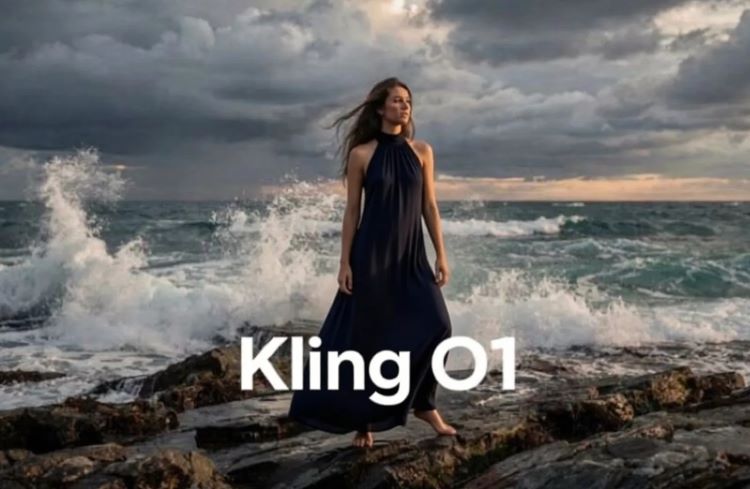
Kling O1 is Kuaishou's unified multimodal AI video model built on Multimodal Visual Language (MVL) architecture. Unlike traditional models that separate generation and editing, Kling O1 consolidates multiple video tasks into one system. Here's how it compares to Wan 2.6. For a deeper dive into Kling models, check out our Kling O1 vs Kling 2.5 Turbo comparison.

2.1 Architecture Comparison
Kling O1's Unified Approach:
Kling O1 operates on a unified semantic space where text, images, and video inputs work together seamlessly. This MVL architecture means the model handles both generation and editing in a single pass, eliminating the need to switch between different tools.
Wan 2.6's Specialized Pipeline:
Wan 2.6 focuses on production-grade video generation with separate specialized capabilities: text-to-video, image-to-video, and reference-based generation. It's optimized for longer narratives and professional workflows.
Key Architectural Difference:
Kling O1 prioritizes workflow unification—one model for all tasks. Wan 2.6 prioritizes feature depth—specialized capabilities for professional production.
2.2 Feature Comparison
Duration and Resolution
Kling O1: Supports 5-second or 10-second clips at up to 1080P resolution.
Wan 2.6: Supports 5, 10, or 15-second videos with resolution options from 480P to 1080P.
Winner: Wan 2.6 for duration flexibility, especially for content requiring 10-15 seconds.
Multi-Modal Input Flexibility
Kling O1: Combines multiple input types (text + image, text + video, video + image, multiple images) seamlessly.
Wan 2.6: Supports text-to-video, image-to-video, and video references, but less flexible in combining inputs simultaneously.
Winner: Kling O1 for unified input flexibility.
Editing Capabilities
Kling O1: Unified editing mode—modify videos through natural language (remove objects, change backgrounds, apply styles) in a single pass.

Wan 2.6: Wan 2.6 is primarily a generation tool. While it supports reference-based generation, it doesn't offer the same level of editing capabilities as Kling O1.
Winner: Kling O1 for editing workflows. Wan 2.6 for pure generation tasks.
Audio and Voice Features
Kling O1: Basic audio support.
Wan 2.6: Native lip-sync, voice cloning, cleaner background music.
Winner: Wan 2.6 for production-ready audio.
2.3 Use Case Recommendations
Choose Kling O1 if:
- You need unified generation and editing in one workflow
- You work with image-based references and reusable element libraries
- You create 5-10 second social media content
- You want single-pass editing capabilities
- You're building content that requires frequent modifications
Choose Wan 2.6 if:
- You need videos longer than 10 seconds (up to 15 seconds)
- Video reference generation and character consistency are critical
- You require voice cloning and precise lip-sync
- You're building production workflows with video-based references
- You need multi-shot storytelling capabilities
Verdict: Which One Should You Choose?
After testing all three models, here's my honest take:
For Professional Content Creators: Wan 2.6 wins. The multi-shot storytelling, reference video generation, and 15-second duration make it the clear choice for production work. The character consistency feature alone saves hours of manual editing.
For Social Media Creators: Kling 2.6 is your best bet. It's faster, simpler, and perfect for single-shot content that dominates platforms like TikTok and Instagram.
For Quick Testing: Kling O1 works if you're just experimenting, but you'll likely outgrow it quickly.
Decision Matrix:
| Your Need | Recommended Model |
| Multi-shot narratives | Wan 2.6 |
| Consistent character video | Wan 2.6 |
| Long videos (10-15s) | Wan 2.6 |
| Fast single-shot content | Kling 2.6 |
| Quick testing/prototyping | Kling O1 |
| Voice cloning | Wan 2.6 |
| Budget-conscious bulk generation | Kling 2.6 |
The bottom line: If you're serious about video creation, Wan 2.6 offers the most professional toolkit. If speed and simplicity matter more, Kling 2.6 delivers.
FAQ
Q1: Can Wan 2.6 generate videos longer than 15 seconds?
No. Currently, Wan 2.6 maxes out at 15 seconds. For longer content, you'll need to generate multiple clips and edit them together. However, the multi-shot feature helps create more dynamic sequences within that 15-second limit.
Q2: Does Kling 2.6 support reference video generation?
Kling 2.6 has limited reference capabilities, but it's not as robust as Wan 2.6's system. You can't maintain character consistency across multiple generations as effectively, and dual-reference generation isn't supported.
Q3: Which model is better for beginners?
Kling 2.6 is more beginner-friendly due to its simpler interface and faster generation. Wan 2.6 has a steeper learning curve but offers more professional features once you master it.
Q4: Can I use Wan 2.6's reference videos for commercial projects?
Yes, but check the licensing terms. Wan 2.6's reference system is designed for commercial use, but ensure your reference videos have proper rights and permissions.
Q5: Which model has the best audio quality?
Wan 2.6 leads in audio quality with native lip-sync, voice cloning, and cleaner background music processing. Kling 2.6 and Kling O1 have basic audio support.
Q6: Can I combine multiple Wan 2.6 videos into longer content?
Yes. You can generate multiple 15-second clips and edit them together. The multi-shot feature helps create smoother transitions within each clip, making the editing process easier.
Conclusion
Choosing between Wan 2.6, Kling 2.6, and Kling O1 depends on your needs. Wan 2.6 dominates for professional creators needing multi-shot narratives, character consistency, and production-grade features. Kling 2.6 excels at speed for social media content. Kling O1 offers unified generation and editing—ideal for frequent modifications or image-based workflows.
For professional video workflows, Wan 2.6's reference system and multi-shot capabilities justify the investment. If you need editing alongside generation, Kling O1's unified architecture provides a streamlined alternative.
Ready to start creating? Explore AI video generator tools on SeaArt AI to see how these models compare in practice.